

Home > Learn > Quantity & Purchasing > Buying a Whole Cow
Buying a Whole Cow: Cost, Yield, Cuts, and What to Expect
Expert reviewed • Updated July 2026 • 12 min read
Buying a whole cow means purchasing an entire animal directly from a ranch. This guide breaks down cost, yield, freezer space, and how the process works — so you know exactly what to expect. Whether you're buying your first beef share or comparing local ranches, this guide will help you make an informed decision.
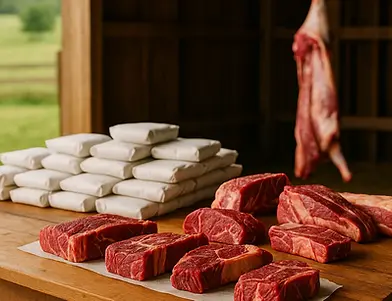

A whole cow typically yields 400-500 lbs of packaged beef, depending on breed, finish, and processing.


1. Whole Cow Purchase: At a Glance
A quick overview of what to expect when buying a whole cow.

Typical Whole Cow Cost
$3,000 - $6,500 total

Depends on finishing method, regional pricing, carcass size, and processing decisions
Most producers quote pricing by hanging weight: $6.00 - $10.00 per lb
Processing and butchering fees may be bundled or billed separately

What You Receive
360 - 440 lbs of packaged beef
A complete selection of steaks, roasts, ground beef, and specialty cuts
Most producers quote pricing by hanging weight: $6.00 - $10.00 per lb

Freezer Space Needed
16 - 20 cubic feet
Having the right amount of freezer space ensures your beef stays well preser5ved and easy to organize.


2. How Much Does a Whole Cow Cost?
The total cost of a whole cow depends on several factors, including the animal's size, finishing method, regional pricing, and your processing and packaging choices.

Typical Whole Cow Cost
$3,000 - $6,500 total
Most whole cows cost between $3,000 and $6,500 total.
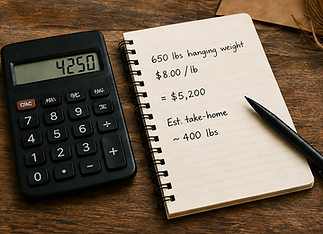
Producers typically quote pricing by hanging weight, usually $6.00 - $10.00 per pound.
Processing and butchering fees may be bundled with the price or billed separately.

Why Using Hanging Weight Matters
Hanging weight is the weight of the carcass after initial processing (hide, head, and organs removed).
It provides a consistent and fair basis for pricing because it reflects the actual amount of usable meat before any custom cuts or trimming.

Hanging Weight (lbs) x Price Per Pound = Base Price
Pricing Formula

For a deeper look at price ranges, what impacts cost, and how grass-fed beef prices compare, check out our complete grass-fed beef cost guide or compare pricing from ranches near you →


3. Is Buying a Whole Cow Worth it?
Buying a whole cow is a big decision — but for many families, it's one of the smartest ways to put high-quality, nutrient-dense beef on the table.

Best For Families Who...

Eat beef several times per week
Want the highest quality, pasture-raised beef
Prefer to buy in bulk and save over time
Have adequate freezer space and storage
Value traceability and direct relationships with ranchers

Consider the Trade-Offs
Higher Upfront Cost

The total investment is larger upfront, though the cost per pound is typically much lower.

Freezer Space Required
You'll need 16-20 cubic feet of freezer space to store your beef.
Time and Planning

From ordering to pickup, the process takes planning and coordination.
Customization Decisions

You'll work with a butcher to decide cuts, packaging, and special requests.

Get a complete look at the pros, cons, and real-world benefits of buying grass-fed beef in bulk in our guide: Is Buying Grass-Fed Beef in Bulk Worth it?
4. How Much Meat Do You Get?
Understanding how a cow's weight changes through each stage of processing helps set realistic expectations for your take-home beef.
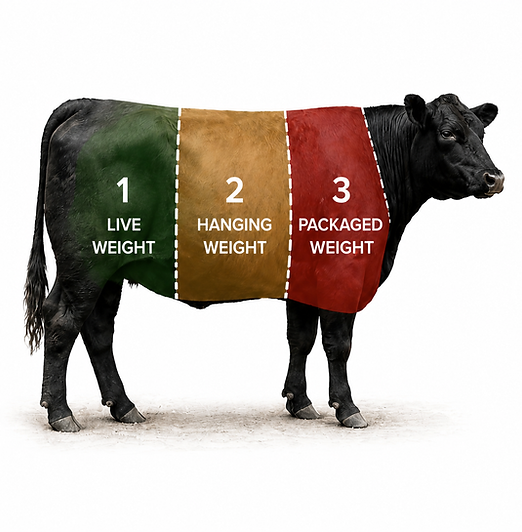
These numbers are averages for a typical whole cow. Your results may vary based on breed, finishing method, and your butcher's cut and trim decisions.

Live Weight
1,100 - 1,400 lbs
The animal's weight on the farm before harvest. This is the starting point, but not used for pricing.

Hanging Weight
600 - 700 lbs
The carcass weight after initial processing (hide, head, and organs removed) and before butchering. This is the basis for most whole cow pricing.

Packaged Weight
360 - 440 lbs
The final amount of beef you take home, cut, trimmed, and vacuum-sealed — ready for your freezer.
Meat Loss During Processing

As the cow moves from hanging weight to packaged mean, expect a typical reduction of 35% to 40%.
Bone removal
Fat Trimming
Moisture loss during aging

HOW MANY CALORIES IN A WHOLE COW?
A whole cow yields about 360-440 pounds of packaged beef.
At roughly 800-1,200 calories per pound (depending on fat content), that equals
290,000 - 525,000 total calories

That's enough to provide a substantial long-term food supply for a household.
5. What Cuts Do You Get?
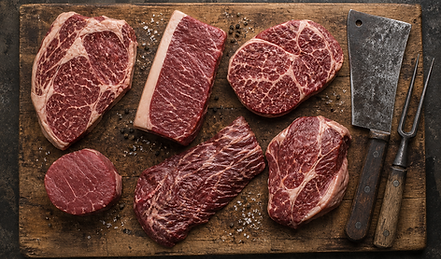
When you buy a whole cow, you get a complete variety of beef cuts — from premium steaks and roasts to ground beef and specialty cuts. The exact cuts and quantities depend on your cut sheet.
A Whole Cow. Every Cut.
A variety of cuts from every part of the cow.

See a full breakdown of cuts and what they're best for in our guide to different cuts of grass-fed beef →
What You Can Expect

Steaks: Ribeye, New York Strip, Sirloin, Filet Mignon, T-Bone, and more
Roasts: Chuck Roast, Rump Roast, Brisket, Sirloin Tip, and more
Ground Beef: Typically 20% fat (customizable)
Other Cuts: Short ribs, stew meat, soup bones, shank, flank steak, and more
Custom Options: Bone-in or boneless, thickness, packaging, and more

Can I Customize My Cut Sheet?
Yes! You work with the processor to create a cut sheet that matches your preferences.

Choose steak thickness
Decide bone-in vs boneless
Set ground beef fat percentage
Request specific roast sizes
Choose vacuum-sealed or paper-wrapped packaging
Learn more about how it works in our cut sheet guide →

Butcher Preferences
Your butcher is there to help. Most processors welcome special requests to make sure you get the cuts your family will use and love.
Common Requests:
-
Extra ground beef
-
More roasts, fewer steaks
-
Thicker steaks
-
Soup bones
-
Organ meats
-
Custom fat trim
Communication is key — the more detail you provide, the better!

Packaging Options
Most whole cow beef is vacuum-sealed for maximum freshness and freezer life, but paper wrapping may be available upon request.

Vaccum-sealed packages are typically labeled with cut, weight, and date.
Are Specialty Cuts Like Bones, Organs, or Fat Included?
Byproducts and specialty items such as bones, organs, and fat are often available when buying a whole cow, but they are not automatically included.

Bones
Marrow bones, soup bones, and meaty bones are great for broth and soup.

Organs
Liver, heart, kidney, tongue, and more can be included upon request.

Fat
Suet and trim fat are perfect for tallow, cooking, or rendering.

Must be Requested
These items must usually be requested on the cut sheet, and availability varies by processor.
Tip
If there are specific items you want, ask your rancher or processor early in the process.
6. How Buying a Whole Cow Works
Buying a whole cow follows a simple step-by-step process—from deposit to cut sheet to pickup.


Choose a Ranch That's Right for You
Browse local ranches, compare options, and find a producer that fits your values, budget, and location.


Reserve Your Cow with a Deposit
Secure your animal by placing a deposit. This reserves your spot on the ranch's upcoming processing schedule.


Submit Your Cut Sheet Preferences
Work with the ranch or processor to create a custom cut sheet that matches your family's needs and preferences.


Harvest, Process & Package
Your cow is humanely harvested and professionally processed according to your cut sheet and packaging preferences.


Pick Up or Arrange Delivery
Once processing is complete, you'll pick up your beef or arrange delivery to your home. Then it's time to fill your freezer.

7. Storing Your Beef the Right Way
Proper storage is key to protecting the quality and flavor of your investment. With the right freezer space and packaging, your beef will stay delicious for the long haul.
How Much Freezer Space Do You Need?
A whole cow typically yields 360-440 pounds of packaged beef. Plan for 16-20 cubic feet of freezer space.

16 — 20
CUBIC FEET
This is about the size of a standard upright or chest freezer.
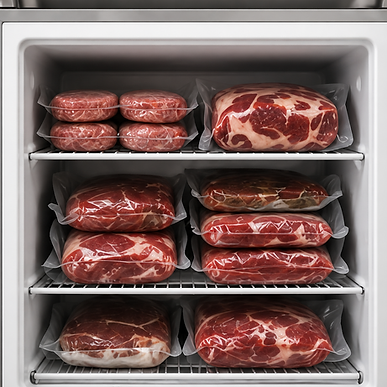
Freezer Examples

Chest Freezer (16 - 20 cu ft)

Upright Freezer (16 - 20 cu ft)
How Long Does Beef Last in the Freezer?
Vaccum-sealed beef maintains best quality when stored at 0 F or below.

Tip: Keep your freezer at 0 F or below and avoid frequent temperature changes for the best long-term quality.

Steaks & Roasts
10-14 months
Best flavor and texture when used within this time.

Ground Beef
6-12 months
For best quality, use within 6-12 months.

Soup Bones & Stew Meat
12-18 months
Will remain safe indefinitely when kept frozen.

Organ Meats
8-12 months
Best flavor when used within 8-12 months.
Packaging: Built for Freshness
Most whole cow beef is vacuum-sealed for maximum protection against freezer burn and to maintain flavor and texture.
Vacuum-sealed packaging locks out air and moisture
Clear labels include cut, weight, and date
Paper-wrapped options may be available upon request
Meat is flash-frozen shortly after processing for best quality
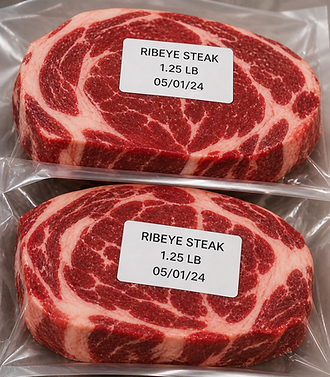
Keep Your Freezer Organized

Store by type and date

Use older cuts first ("first in, first out")

Keep a thermometer in your freezer

8. Find the Right Size for Your Family
A whole cow is a great fit for many families, but it's not the only option. Here's how the most common shares compare.
WHOLE COW

360 - 440 lbs
of packaged beef

Best value per pound
Largest selection of cuts
Ideal for large families, meal preppers, or long-tern planning
Requires 16 - 20 cu ft of freezer space
HALF COW

180 - 220 lbs
of packaged beef
Great balance of quantity and freezer space
More manageable upfront cost
Perfect for medium-sized families
QUARTER COW

90 - 110 lbs
of packaged beef
Good option for smaller families
Lower upfront cost
Requires 5 - 8 cu ft of freezer space
EIGHTH COW

45 - 55 lbs
of packaged beef
Great for individuals or couples
Smallest commitment and upfront cost
Requires 3 - 4 cu ft of freezer space
9. What to Expect from Start to Finish
Buying a whole cow is a big decision. Here's what to expect every step of the way.

PAYMENT TERMS
A deposit is typically required to reserve your animal and secure your spot on the processor's schedule.
-
Deposits range from $200-500 depending on the ranch
-
Deposit goes toward your final balance
-
Final payment is due when your beef is ready for pickup or delivery

Why a Deposit?
It guarantees your animal, locks in current pricing, and ensures a spot in the processing queue.

TIMELINE
From reservation to steak in your freezer, the process takes planning, but it's worth the wait.
-
Reserve Your Cow: Plan 1-3 months in advance during busy seasons.
-
Processing Time: Processing time varies.
-
Curing & Packaging: Allow 1-2 weeks for aging (optional) and packaging.
-
Ready for Pickup or Delivery: You'll receive notification when your beef is complete.

Lead Times Vary
Expect longer wait times in the spring and fall. Reserve early to plan ahead!

DELIVERY OPTIONS
Whether you're close to the farm or across the country, many ranches offer a variety of options.
-
Local Delivery: Most ranches offer delivery within a local radius
-
Regional Delivery: Delivered by refrigerated transport to select areas.
-
Nationwide Shipping: Via trusted carriers to your doorstep (fees may apply).

Delivery Costs Vary
Expect longer wait times in the spring and fall. Reserve early to plan ahead!

PICKUP INFO
Prefer to pick up your beef? Most processors offer on-site pickup once your order is ready.
-
You'll receive a call or email when it's ready
-
Bring coolers or an insulated space for transport
-
Frozen and ready to load
-
Easy and cost-effective if you live nearby

10. Quality Factors: What Affects Your Beef?
Several factors influence the flavor, tenderness, and overall quality of your whole cow share. Here's what to know.

Finishing Method
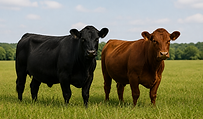
How cattle are finished has a big impact on marbling, flavor, and texture.
-
Grass-Finished: Cattle are raised on pasture their entire lives.
-
Grain-Finished: Cattle eat grain in the final months to increase marbling.

Breed
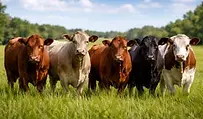
Different breeds offer different advantages in terms of marbling, tenderness, and flavor.
-
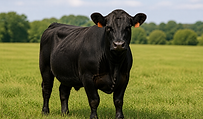
Popular breeds include Angus, Hereford, and their crosses.
-
Angus tends to have superior marbling and tenderness.

Age
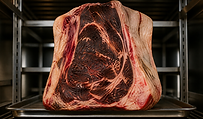
Age at harvest affects tenderness and flavor development.
-
Most cattle are harvested between 18-24 months of age.
-
Younger cattle tend to be more tender.

11. Ready to Fill Your Freezer with Confidence?
Buying a whole cow is one of the best decisions you can make for your health, your budget, and your peace of mind. You get high-quality beef you can trust — cut and packaged exactly how you want it.

Cost Efficiency
Save more per pound compared to grocery store prices and packaged meat.

Total Control
Choose your cuts, thickness, and packaging to fit your family's needs.

Premium Quality
Know exactly where your beef comes from and how it's raised.

Freezer Friendly
Stock your freezer with high-quality beef that lasts for months.


2025-12-9
2026-7-8
Find Grass-Fed Beef Near You
Ready to buy? Browse local grass-fed beef ranches near these major cities:
Dallas • Houston • Denver • Nashville • Kansas City • Charlotte • Philadelphia • Seattle
Sources:
McGee, Rick. “How Many Pounds of Meat Can We Expect From a Beef Animal?” BeefWatch, University of Nebraska–Lincoln Extension, July 2020, https://beef.unl.edu/beefwatch/2020/how-many-pounds-meat-can-we-expect-beef-animal. University of Maine Cooperative Extension. Bulletin #1071, What to Expect When Buying a Freezer Beef. University of Maine, 2020, https://extension.umaine.edu/publications/1071e/.